Is It OK to Go Lower Clarity If Inclusions Aren't Visible? A Diamond Clarity Guide
When shopping for a diamond, clarity often feels like a tricky balancing act. Do you really need to pay top dollar for flawless clarity, or can you save money by opting for a lower clarity grade if the inclusions aren’t visible to the naked eye? As an 8-year jewellery content editor who's had a front-row seat at Hatton Garden consultations and research sessions, I'm here to help you navigate the clarity vs sparkle debate with confidence. In this guide, we’ll look at the Four Cs trade-offs, how cut influences brilliance the most, and why verifying grading reports matters.
Understanding Diamond Clarity and Why It Matters
Diamond clarity measures the presence of internal inclusions and external blemishes. The Gemological Institute of America (GIA) grades clarity on a scale ranging from Flawless (FL) to Included (I3). But how much do these inclusions actually impact your diamond's beauty?
The Four Cs and Trade-Offs: Cut, Clarity, Carat, and Color
Most buyers focus disproportionately on carat weight, thinking bigger is better. However, clarity and color are about visual purity, and cut quality drives a diamond's sparkle and fire more than any other factor. In fact, a well-cut diamond with lower clarity grades but eye-clean characteristics can outshine a poorly cut flawless diamond.

- Cut: Determines how well a diamond reflects light and sparkles.
- Clarity: Visual appearance of inclusions or blemishes.
- Carat: The diamond’s weight, but visible size depends heavily on shape and proportions.
- Color: The presence of color tints, with D being the most colorless.
Trade-offs are crucial. For example, choosing a diamond graded VS2 or SI1 clarity can be perfectly acceptable if the inclusions are not visible to the naked eye. This leads us to the concept of an eye clean diamond.
Eye Clean Diamond: The Key to Savings Without Sacrificing Beauty
“Eye clean” means no inclusions or blemishes visible without magnification (10x loupe or higher). This threshold typically happens starting around VS2 to SI1 clarity grades, but it largely depends on inclusion location and size.
Most reputable suppliers, including Hatton Garden Jewellers, recommend prioritizing an eye clean diamond over obsessing about grading text. This ensures you get a gem that looks beautiful daily, not just under a microscope.
Diamond Clarity Tips
- Ask for the GIA Report Number: Always request the laboratory report number. You can verify it directly through the GIA diamond quality factor pages or official databases.
- Check Inclusions Placement: Inclusions near the girdle or under the setting are less visible.
- Choose Clarity Based on Shape: Fancy shapes (oval, pear, marquise) can mask inclusions better than round cuts due to their elongated forms and light play.
- Read Reviews and See Photographs: Ask the retailer (Hatton Garden Jewellers are known for transparency) for videos or close-ups.
- Consult Experts: Never hesitate to ask for a second opinion online or in-store.
Why Cut Quality Always Trumps Clarity vs. Sparkle
Despite what many buyers believe, the cut grade is what controls the diamond’s sparkle — how brilliantly it plays with light. The GIA grading system rates cut from Excellent to Poor, with the ideal proportions maximising brilliance and fire.
A sharper focus on cut means a diamond with slight eye-visible inclusions can still beam beautifully. On the other hand, a flawless diamond with poor cut may appear dull or lifeless.
The takeaway here? Consider allocating more budget to cut hatton-garden-jewellers.co.uk quality over achieving the top clarity grades when inclusions are minimal or hidden.
Carat Weight vs Visible Size: Why Measurements and Proportions Matter
Just because a diamond weighs one carat doesn’t mean it looks big. Carat measures weight, not surface area — and surface area impacts perceived size. Shapes like oval, pear, and marquise often look larger than round diamonds of equal carat weight because of their elongated shapes.
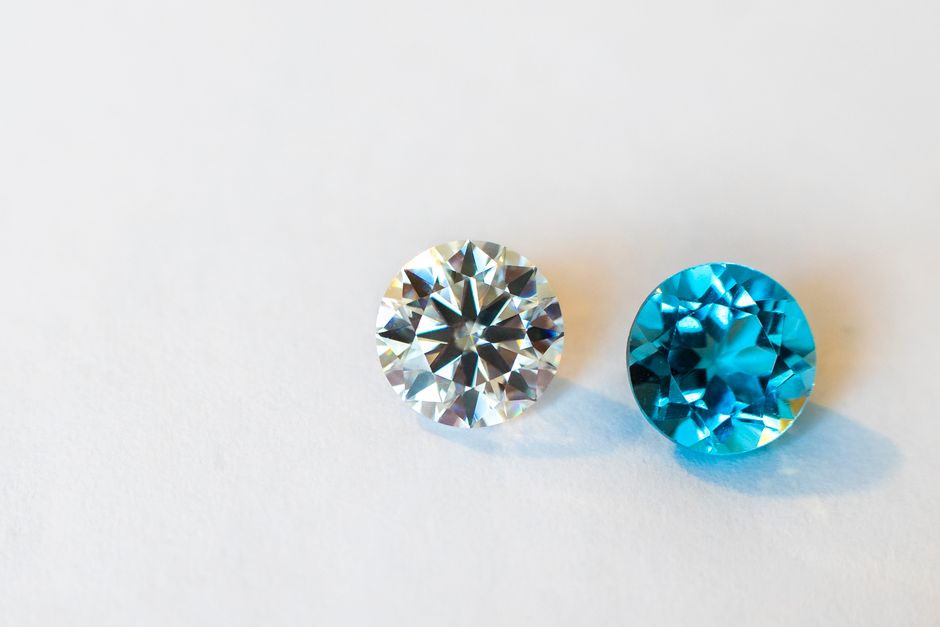
So, if size perception is key, going for a fancy cut diamond with slightly lower clarity but high cut grade can help you maximise visual impact.
The Importance of Verifying Grading Reports and Authenticity
Never take claims at face value when a diamond is described as “certified.” Without the lab’s name, grading details are meaningless and vague wording is a red flag.
Before you finalize your purchase — whether browsing online or visiting Hatton Garden Jewellers — ask for the diamond’s laboratory report number. Use trusted online databases like the GIA report verification tool to check authenticity and ensure the diamond’s quality factors match the seller’s claims.
Reports include valuable information about cut, clarity, color, carat, measurements, and more. Confirming these details protects you from overpaying or falling victim to misrepresentation.
Summing Up: Is It OK to Choose Lower Clarity Diamonds If Eye Clean?
Absolutely — with caveats.
- Eye Clean Diamonds: Many VS2 or SI1 diamonds are eye clean, meaning visible inclusions are absent.
- Prioritise Cut Quality: Sparkle depends most on cut. An excellent cut trumps flawless clarity.
- Verify the Certificate: Always ask for the report number and verify it yourself via GIA or reputable labs.
- Shape Influences Size and Clarity Perception: Fancy shapes can mask inclusions and appear larger.
- Understand Trade-Offs: Every C has its price. Find the balance that works for your budget.
At Hatton Garden Jewellers and similar trusted suppliers, transparency about diamond quality is the norm — not the exception. Buyers who educate themselves and verify their diamonds get better value and fewer surprises.
By focusing on diamond clarity tips such as requesting GIA report numbers, choosing eye-clean grades, and prioritising cut, you can enjoy an exquisite, sparkling diamond without overspending.
Bonus: A Quick Reminder from a Jewellery Industry Insider
Before diving into your diamond shopping spree — or even while taking a break on your MRQ mobile app — remember these two handy checklist points I keep in my notes app:
- Returns & Resizing Policy: Are these clearly stated outside tiny footer links? Don’t buy anything without easy-to-understand policies.
- Verify Laboratory Report Number: It’s your best weapon against vague “certified” claims.
Following these simple rules will help you steer clear of headaches and focus on enjoying your beautiful diamond!