lululemon “Rest Day” Series: What Is It About?
Rest days used to be the quiet space between workouts: a pause in the training plan, not much of a story in itself. In today’s wellness and fashion marketing, though, recovery has become something brands can talk about, style, and build products around. That shift helps explain the appeal of a “rest day” theme associated with lululemon: it puts attention on the everyday rituals around movement, not only the workout.
One important clarification: “lululemon rest day” can describe content or a theme across brand storytelling, rather than a single, clearly defined program with one set format. Without a specific post, campaign, or link to point to, it is better not to treat “Rest Day” as the official name of a continuing series. The idea is still worth examining. It reflects a larger move in which activewear brands speak to recovery, comfort, and daily wellbeing as part of an active lifestyle.
For readers following PAGE Magazine, the interesting question is not simply what a brand calls a rest day. It is what the phrase asks consumers to value: soft clothes, slower routines, and products that fit into ordinary life. That is where the themes of recovery content, wellness marketing, and comfort-first design meet.
What does “rest day” mean in this context?
In fitness, a rest day is generally a planned break from demanding exercise, or a day devoted to lighter activity and recovery. In lifestyle branding, the term can stretch beyond training. It may suggest a morning without a schedule, a walk instead of a hard session, stretching at home, or simply choosing clothes that feel comfortable through a less active day.
That broader meaning makes “rest day” an effective editorial idea.
It gives a brand a way to talk about wellness without centering every story on performance, personal records, or the intensity of a workout. A rest-day story can still belong to an athletic brand, but it meets customers in a different setting: at home, on an errand, or in the in-between hours when technical clothing is worn as everyday clothing.
Is it a product line, a content series, or a theme?
The phrase alone does not establish which one it is. A product line would normally have a distinct product page or collection listing. A recurring content series would have a consistent format or archive. A theme might appear more loosely across social posts, campaign https://smoothdecorator.com/whats-the-link-between-calm-homes-and-luxury-now/ imagery, or editorial features. Checking the original brand page or post matters before calling something a formal series.
This distinction may sound fussy, but it is the sort of detail that separates useful coverage from marketing echo. If a brand has not clearly documented a series, an article should describe the idea as a theme or content approach rather than imply a named, ongoing franchise.
Why You Should recovery content is showing up in fashion
Fashion brands have long sold more than garments: they sell ways of dressing for particular moments and versions of the self. What is changing is the range of moments those stories cover. Instead of focusing only on a special event, a seasonal wardrobe, or a high-intensity workout, brands increasingly address the small routines that make up an ordinary week.
Recovery content fits this shift. It can give a brand a reason to talk about rest, mobility, sleep, hydration, or the mental reset that can come with taking things more slowly. It also makes a brand relevant on days when its customer is not training. For a company built around athletic apparel, that broader relevance can be commercially valuable: the clothing is presented not just as gym gear, but as part of a daily uniform.
There is a clear difference between an editorial conversation and a health claim. A post that encourages people to make time for recovery is not automatically offering medical advice. But the language can become blurry when marketers imply that a garment, supplement, or wellness routine improves recovery in a measurable way. Readers should look for specifics: What is being claimed? What evidence supports it? Is the source a qualified expert, a personal story, or brand copy?. Pretty simple.
Everyday ritual is replacing occasion-based luxury
Traditional luxury storytelling often revolves around the exceptional: a destination, a gala, a rare material, or a once-in-a-while purchase. That approach still has its place, but lifestyle brands have found a different kind of value in the everyday. A favorite layer worn on a walk, a soft set used at home, or a comfortable outfit for errands can become part of a customer’s daily routine.
The business logic is straightforward. A product used often has more chances to become familiar and emotionally meaningful. It may also prompt more repeat purchases as customers look for another color, another layer, or an item suited to a different part of the day. This does not mean every daily-use product is automatically a good investment. It means the brand is competing for a more regular place in someone’s life.
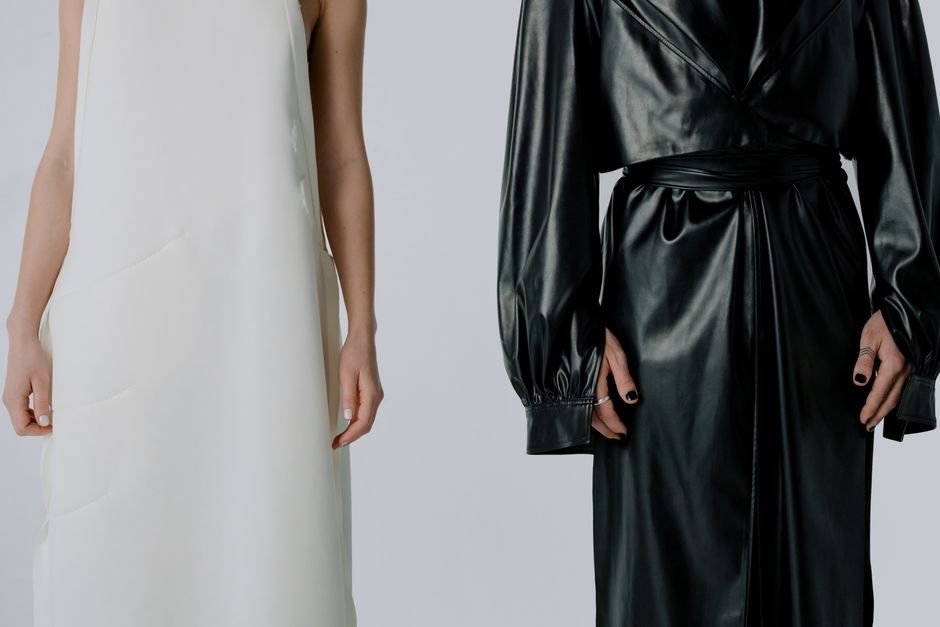
That is the useful lens for considering lululemon rest day content. Rather than asking whether rest is glamorous, ask how the brand makes an ordinary day feel considered. Does the story show a believable routine? Does the product solve a comfort or function need? Or does it simply attach wellness vocabulary to a familiar outfit?
Comfort-first design and the details customers actually notice
“Comfort” is one of the most common words in apparel marketing, but on its own it is not very informative. A more useful description identifies the sensory or practical details that contribute to comfort: fabric weight, stretch, softness, breathability, waistband construction, seam placement, or how a layer feels against the skin. Those details help shoppers picture the experience rather than rely on an abstract promise.
For a rest-day wardrobe, comfort is not necessarily the same as wearing the loosest possible clothing. Some customers want gentle support; others prioritize ease of movement, warmth, or a fabric that does not feel restrictive while sitting for long stretches. A good product description can say what a garment is designed to do, what it is made from, and how it fits—without presenting personal preference as a universal fact.
How to read sensory language
Words such as “buttery,” “cloud-soft,” and “second-skin” are vivid, but they are subjective. They can help communicate a brand’s intended feel, yet they do not replace concrete garment details. When evaluating a product, pair the sensory language with practical information:
- What is the fabric composition, and is it clearly listed?
- How does the brand describe fit, stretch, and intended use?
- Are care instructions available and specific?
- Do customer reviews mention pilling, opacity, heat, or fit consistency?
- Does the product page explain what makes the garment suitable for rest or recovery?
That approach is especially useful when wellness messaging makes clothing sound like a tool for wellbeing. One client recently told me made a mistake that cost them thousands.. Clothing can influence how someone feels in a moment, but a comfort claim is not proof of a health benefit.
Wellness marketing: helpful context or a fuzzy promise?
Wellness has become a broad language for brands to describe everything from exercise and rest to mood and self-care. It can make fashion storytelling feel more human, particularly when a brand talks about realistic routines rather than relentless optimization. It can also blur boundaries. “Recovery,” for example, might refer to a thoughtful day off—or be used to imply that a product has a physiological effect.
A practical way to judge wellness marketing is to sort claims into two groups: measurable and fuzzy. Measurable claims can be checked against a specification, label, test, or clearly described source. Fuzzy claims lean on atmosphere: “restorative,” “balanced,” or “feel your best,” without defining what those terms mean. Fuzzy language is not automatically deceptive, but it should not be mistaken for evidence.
Type of statement What to look for Why it matters Product detail Fabric, construction, fit, care, and intended use Lets shoppers compare products on concrete terms Editorial wellness theme Clear framing as inspiration, routine, or personal perspective Separates lifestyle storytelling from a health promise Performance or health claim Evidence, qualifications, test information, and limits Shows whether the claim goes beyond mood or styleThis same habit is useful across wellness categories. Joy Organics, for instance, operates in a space where shoppers may look for detailed product information and supporting documentation, not just polished language. That is a comparison about consumer expectations, not a claim that apparel and supplements are equivalent. In either category, trust improves when a brand makes the relevant specifics easy to find.
Daily-use products create more brand presence
When a product becomes part of a daily routine, the brand becomes part of that routine too. That presence can come from a sweatshirt worn during morning coffee, a bag used for commuting, or clothes that move between a workout and the rest of the day. The product does not need to be used for a special occasion to feel valuable; frequency and usefulness can do some of that work.
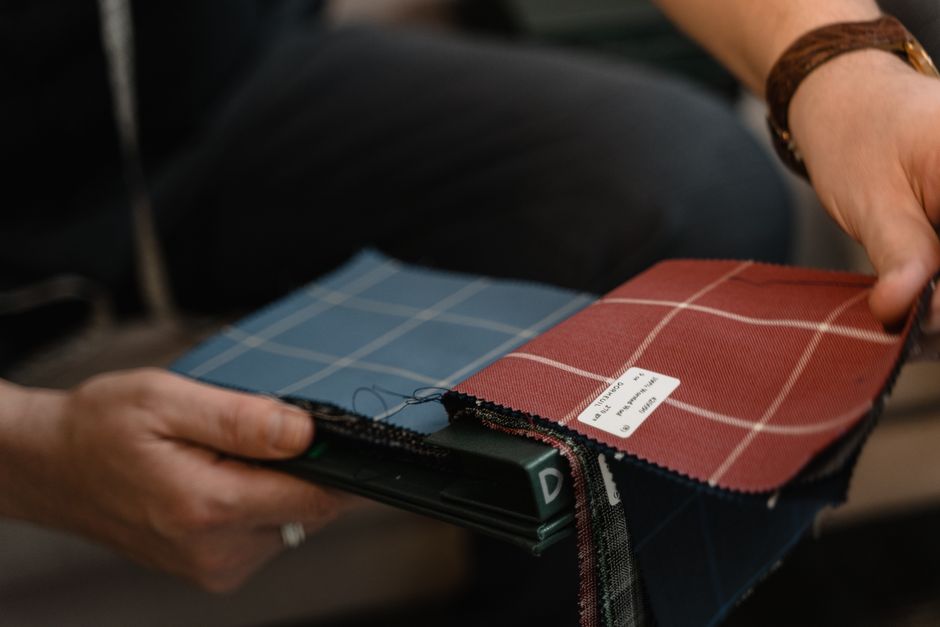
This is one reason recovery content matters to apparel brands. It extends the brand’s story beyond the moment of exertion. A customer may associate the label not only with a class or run, but also with rest, errands, travel, and time at home. That wider association can build familiarity, though it also raises the bar for product quality. Daily-use items are worn, washed, and evaluated often. Comfort promises are tested in real life, not just in campaign photography.
What makes a rest-day story feel credible?
The most convincing recovery content tends to be specific without becoming prescriptive. It might show a realistic routine, acknowledge that people rest in different ways, and describe the garment’s practical role. It should not suggest that buying more clothing is the same as caring for oneself, or that rest has to be optimized to count.
When reviewing a brand’s “rest day” messaging, use this quick checklist:
- Check the source. Is the content on an official brand page, a social post, or a third-party feature?
- Identify the format. Is it a named series, a campaign, a product collection, or an occasional theme?
- Separate mood from evidence. Is the brand offering inspiration, or making a measurable claim?
- Look for product specifics. Are materials, fit, and care details available?
- Consider the routine. Does the item appear genuinely useful beyond the campaign image?
For publishers and independent writers, the same care applies to presentation. Squarespace can help organize a site’s structure and assets—such as article pages, image galleries, and navigation—while Substack can host a linked profile or newsletter destination. Those tools make a story easier to publish and find; they do not verify the claims inside it. Editorial https://bizzmarkblog.com/why-is-wellness-considered-luxury-now/ accuracy still depends on checking original sources and clearly labeling what is known.
The takeaway on lululemon “rest day”
The idea behind lululemon rest day content is best understood as part of a broader change in fashion and lifestyle branding. Wellness language is moving into apparel storytelling, and brands are paying more attention to the quiet parts of an active life: comfort, recovery, and the routines that happen outside a workout. That lets a company speak to customers across more hours of the day.
The strongest version of this approach is grounded in useful detail. It treats rest as a normal part of life, explains what a product is designed to do, and avoids presenting wellness as a vague benefit that a shopper is expected to take on faith. The weakest version uses “recovery” as decoration around the same old sales pitch. ...but anyway.
So, what is the “rest day” series about? Depending on the specific content being referenced, it may be a brand theme rather than a formally documented series. Either way, the larger story is clear: everyday ritual is becoming a form of lifestyle luxury, comfort is being marketed as a daily need, and recovery content gives fashion brands a way to stay present when customers are not exercising. The smart response is to enjoy the storytelling—and keep asking for the specifics behind the claims.