What Should I Do Before I Request an Offer on My Rolex?
If you’re considering selling a Rolex watch, whether it’s a classic Submariner, a Daytona, or a Datejust, you’re stepping into a sophisticated market where informed decisions pay off. Rolex watches are not just timepieces; they’re investments, often collected and stewarded like a portfolio. Before you request an offer—be it from Diamond Banc, RESIDENT™, or any other luxury resale company—there are several crucial steps you should take to maximize your returns and streamline the process.
Understanding the Rolex Market: Portfolio-Style Stewardship
For many, collecting Rolex watches is akin to managing a diverse financial portfolio. Each watch differs in terms https://smoothdecorator.com/what-questions-should-i-ask-a-rolex-buyer-before-i-sell/ of demand, depreciation curves, and condition nuances. Unlike just “owning” a watch, true collectors treat their holdings as assets that undergo market fluctuations. This means understanding not just the brand but the secondary market where Rolex watches trade daily.
This stewardship approach emphasizes knowing two key numbers for every watch in your collection:
- Insurance Value: The replacement cost in today’s retail environment, usually the MSRP or current retail price plus any premiums.
- Market Value: Actual resale value based on live secondary-market data and recent comparable sales.
It’s essential not to conflate these two. Your insurance appraisal might list your Rolex at $12,000, but live market demand and supply could peg it at $10,000 or $15,000. This market number is what buyers and consigners will focus on when crafting their offers.
Step 1: Gather Box and Papers
This is the first and most frequently overlooked step. Before contacting Diamond Banc, RESIDENT™, or any luxury resale buying desk, locate your watch’s full set. “Full set” means:
- The original Rolex box
- Warranty card or certificate
- Instruction booklets
- Receipts or proof of purchase
- Any swing tags or accessories originally included
A Rolex with a full set can command a significant premium. Buyers gravitate toward well-documented pieces with provenance intact. Without box and papers, your watch enters a different category of valuation, often attracting offers 10%–20% lower.
Remember to mention “full set or not” early in any pricing discussion—you’ll save time and avoid vague negotiations.
Step 2: Note the Service History
Rolex watches boast legendary durability, but periodic service is necessary to maintain performance and longevity. Service history impacts value in different ways:
- Authorized Rolex Service Centers: Services performed here often come with official documentation, signaling to buyers the watch has been maintained according to Rolex standards.
- Independent Watchmakers: While they may offer less expensive servicing, lack of official documentation might affect buyer confidence and pricing.
- No Service History: This creates variables in the offer. Some buyers discount heavily due to anticipated servicing costs or potential unknown issues.
Be transparent about any recent servicing, and whenever possible, provide invoices or service papers. This builds trust and can increase offers from buyers like Diamond Banc who prioritize authenticated maintenance records.
Step 3: Take Clear Photos
This might seem obvious, but poor-quality or vague photos hurt your negotiation position. When preparing to request an offer, take high-resolution photos covering all relevant angles and details:
- Front dial clear shot, capturing the model and condition
- Side views showing bezel, case, and crown condition
- Back of the watch, including any engravings or marks
- Bracelet or strap with close-ups of clasp and links
- Box, papers, service documents
- Any cosmetic flaws like scratches, dents, or polish marks
Photographs guide buyers in initial assessment and help prevent the need for offers based solely on speculation, thus speeding up your selling timeline.
Step 4: Use Live Secondary-Market Data and Comparable Sales
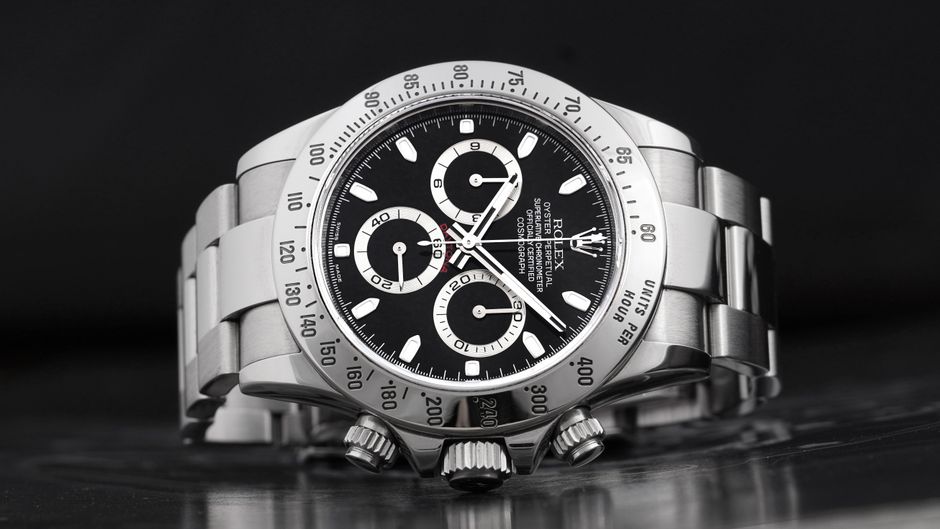
One of the biggest pitfalls in selling Rolex watches is relying on outdated or inaccurate pricing references. Simply quoting MSRP or replacement cost is misleading for discontinued or vintage models. Instead, leverage live secondary-market data from platforms tracking Rolex resale prices daily. RESIDENT™, for example, aggregates such data effectively, displaying saturation effects and demand signals in real time.
Why Comparable Sales Matter
When you compare your watch to recent sales of similar configuration, condition, and completeness (box & papers), you get a real-world baseline for market value. This includes adjusting for:
- Model Reference Number and Production Year
- Dial Variations and Special Editions
- Condition scale (mint, excellent, good, fair)
- Full set completeness
- Whether the watch has been polished or modified
For example, a mint condition 2018 Rolex Submariner with box and papers recently sold for 12% above market average on RESIDENT™, while a similar watch without papers sold for 15% less. These demand signals guide you in setting realistic expectations and preparing to negotiate.
Step 5: Assess Condition, Configuration, and Saturation Effects on Value
Condition is king in the Rolex resale market. A well-maintained, unpolished case or original bezel insert can command premiums, especially with collectors increasingly seeking originality.

- Condition Factors: Scratches, dents, polishing level, functionality of lume and hands, crystal condition.
- Configuration Elements: Bracelet type, clasp model, dial color and style, bezel features (ceramic, aluminum).
- Saturation Effects: How many similar watches are currently available for sale? Over-saturation drives prices down; scarcity pushes offers up.
Tracking saturation levels on secondary-market platforms can help time your sale better. For instance, if there’s a surge of vintage GMT-Masters https://bizzmarkblog.com/what-does-it-mean-when-a-buyer-prices-off-the-exact-model-instead-of-a-list/ on the market, consider holding your offer request; if available inventory is tight, your negotiating power improves.
Why You Should Avoid Pay-First Authentication Before Offers
Some sellers mistakenly pay for third-party authentication before even requesting an offer. While authentication is essential in the luxury resale pipeline, reputable buyers like Diamond Banc and RESIDENT™ perform this step after agreeing on price terms. Don’t pay upfront for authentication without a clear offer—it may cost you unnecessary fees.
Summary Checklist Before Requesting an Offer on Your Rolex
- Gather and document your full set of box and papers.
- Note and provide service history with receipts if available.
- Take clear, comprehensive photos of watch, box, and documents.
- Research live secondary-market data and recent comparable sales.
- Evaluate condition, configuration, and market saturation.
- Avoid paying for authentication before receiving credible offers.
Final Thoughts
Selling a Rolex is more than just finding a buyer. It's about understanding your watch’s position in a complex secondary market and approaching it with the savvy of a portfolio manager. By gathering box and papers, noting service history, providing clear photos, and leveraging live market data and comparable sales, you set yourself up for the best possible offer from institutions like Diamond Banc or RESIDENT™.
Ultimately, the key to maximizing Rolex resale value lies in preparation and informed negotiation. Take control of your watch’s story and value before you ask, “What’s my Rolex worth?”—the market will reward you accordingly.